Visit the Stars of Bransby Life at our Lincolnshire Site
Visit the Stars of Bransby Life at our Lincolnshire Site - Bransby Horses
Visit the Stars of Bransby Life at our Lincolnshire Site
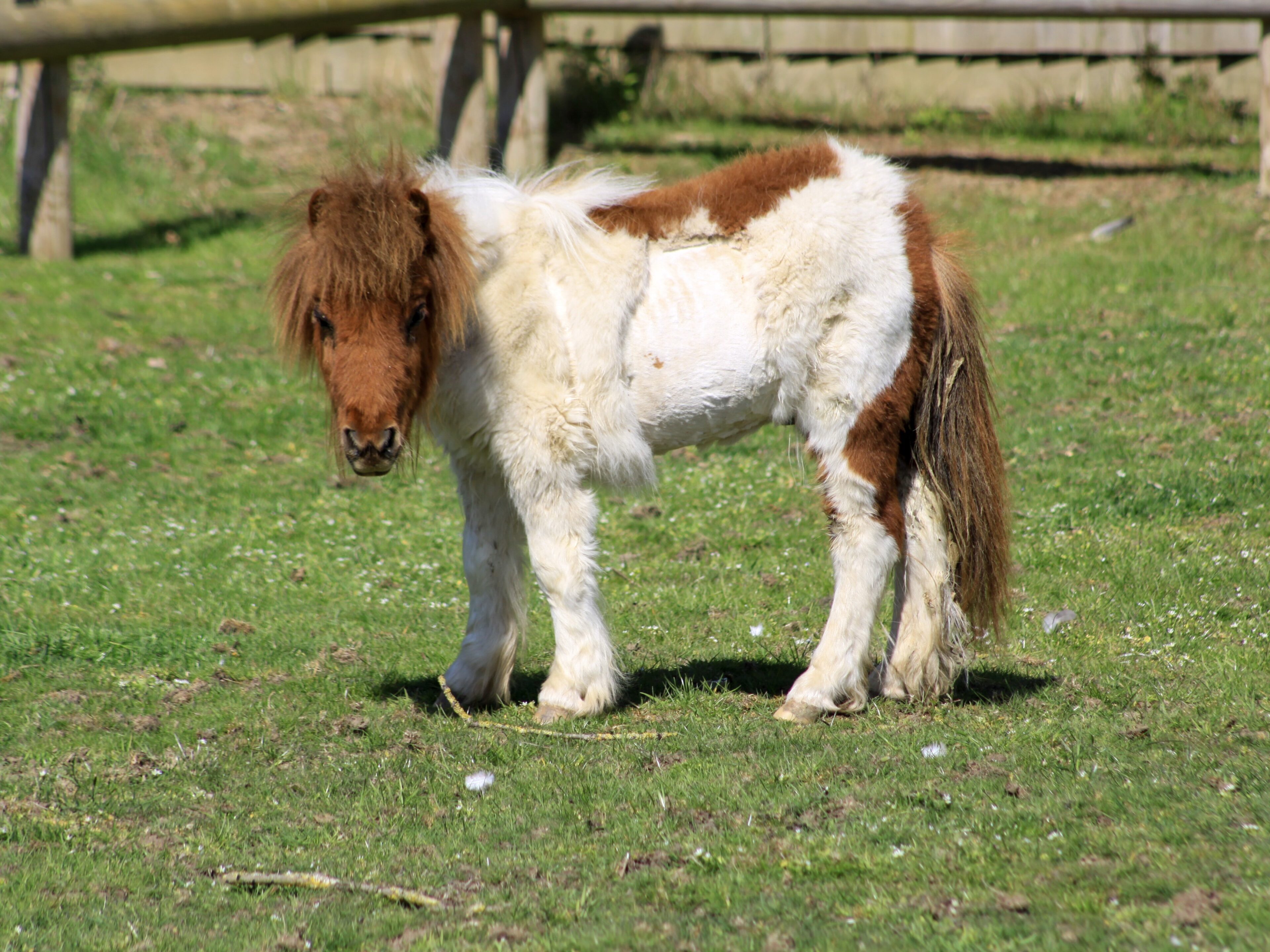
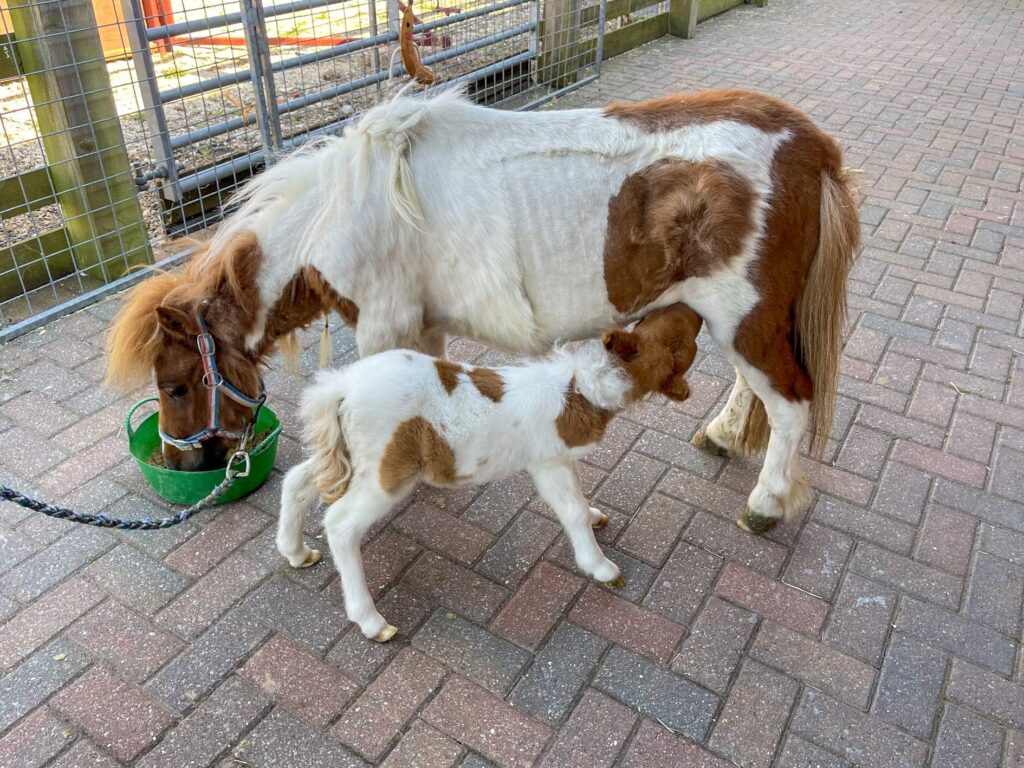
Remus, Tonks and Miriam, whose story was featured in Bransby Life, have recently moved to our Visitor Centre.
Mum Miriam and her foal Remus were signed over into our care back in April this year, with Tonks born mere days later at Oakham Veterinary Hospital. Since their arrival, the three have been recovering (and growing!) under the amazing care of our Bransby Horses team. They have all recently graduated from the Peter Hunt Training and Rehabilitation Yard and have settled into new herds at our Visitor Centre.
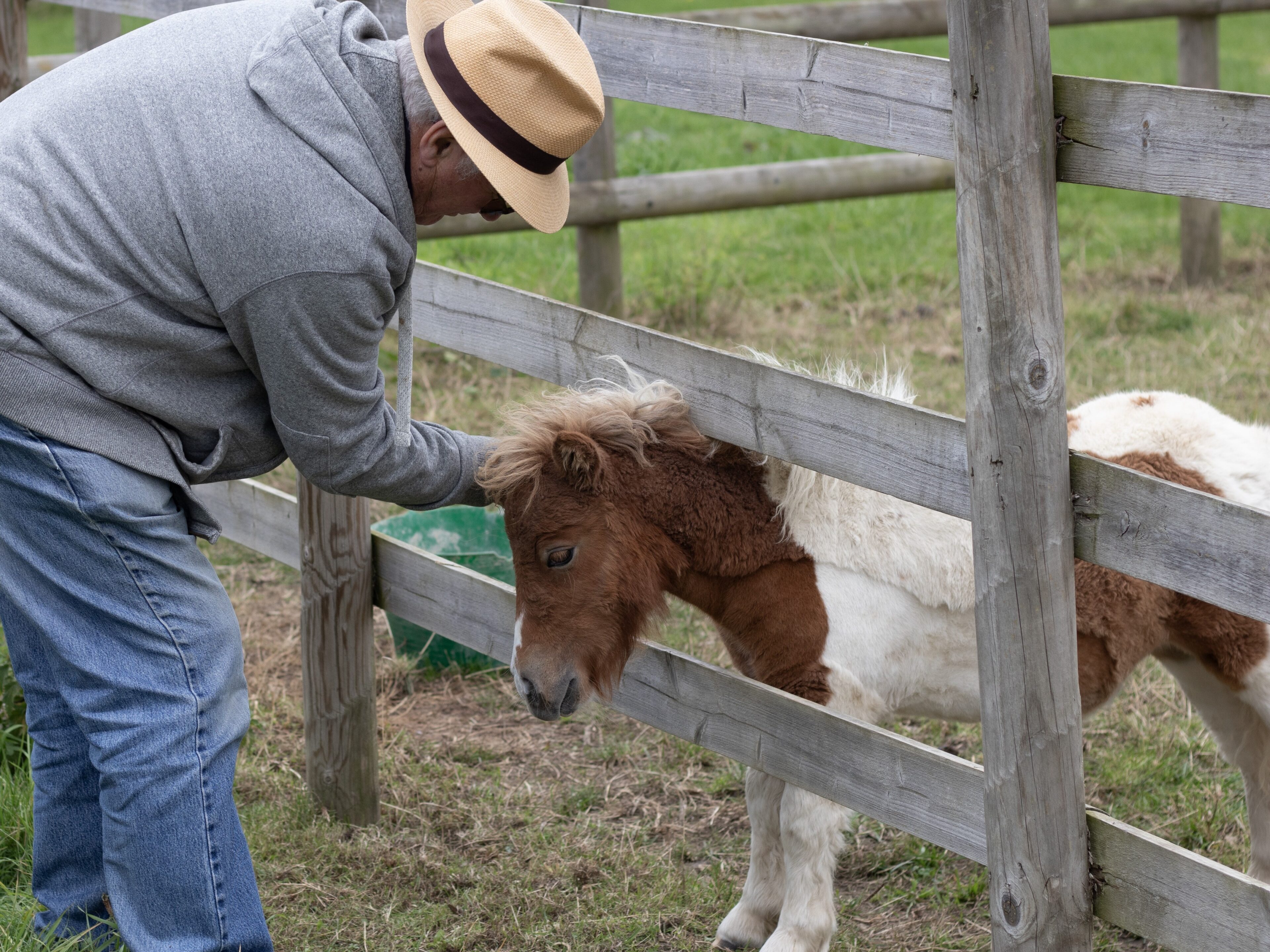
Visit them at our Lincolnshire site and see how much they’ve improved. You can also read their full story below from our latest issue of Bransby Life.
Three Tiny Ponies with Not so Tiny Problems
Since early 2025, field officer Kris Walker had been attempting to work with owners of over 20 cobs and Shetland ponies at a location in Northern England. He attended regularly over this period as multiple calls of concern had been made to the charity, with issues relating to weight, feet, environment and nutrition.
After initially leaving an abandonment notice, the owner came forward and Kris tried to provide essential advice regarding the care of these equines, with particular concern over Shetland pony Miriam and her seven-month-old foal Remus.
When Kris returned to the location mid-April, he noticed that the mare and foal had lost a lot of weight and were very dull in demeanour. He got in touch with the RSPCA and asked if they could attend and assist with the situation. Kris said, “We regularly attended to give advice over the situation and worked with the owners, but at the last visit the conditions had worsened, the owner agreed to sign them over to us due to their condition and their ongoing care.”
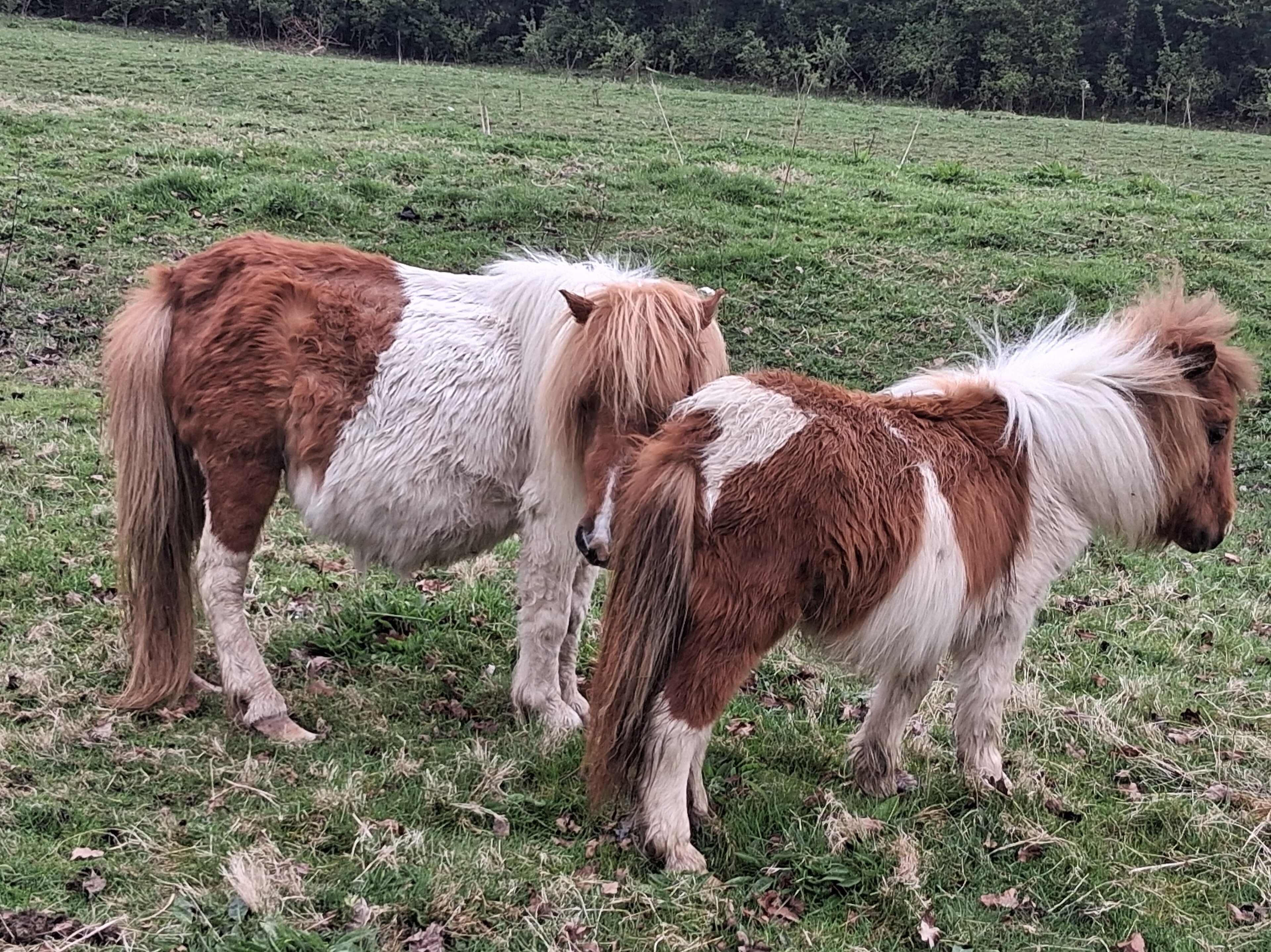
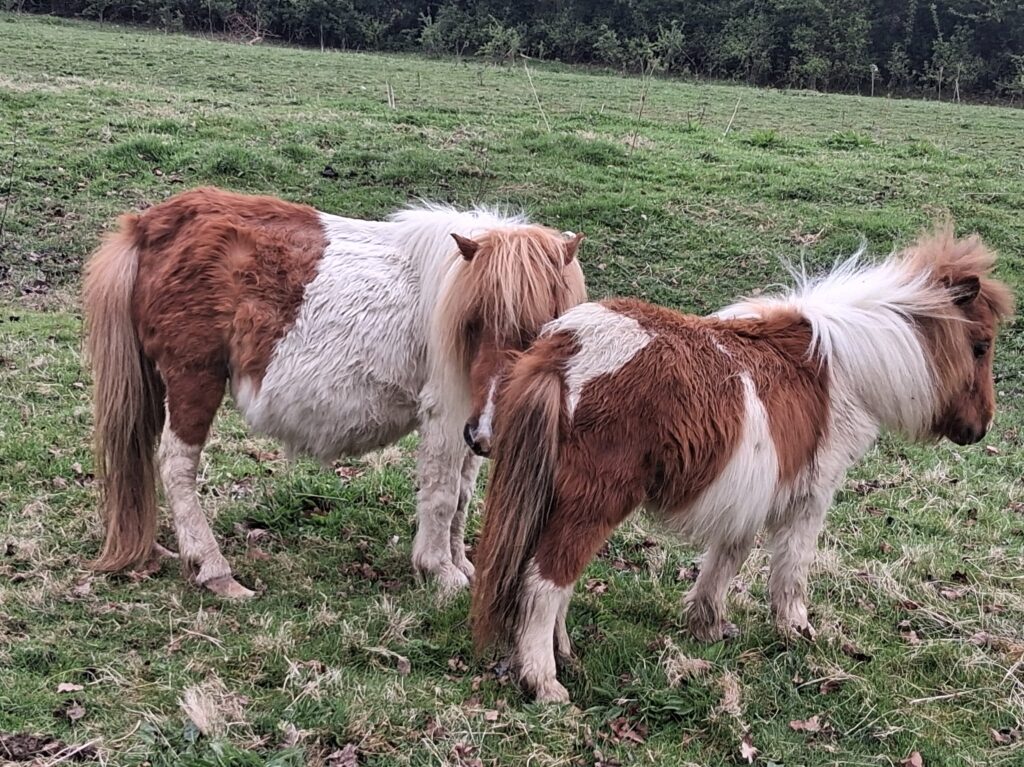
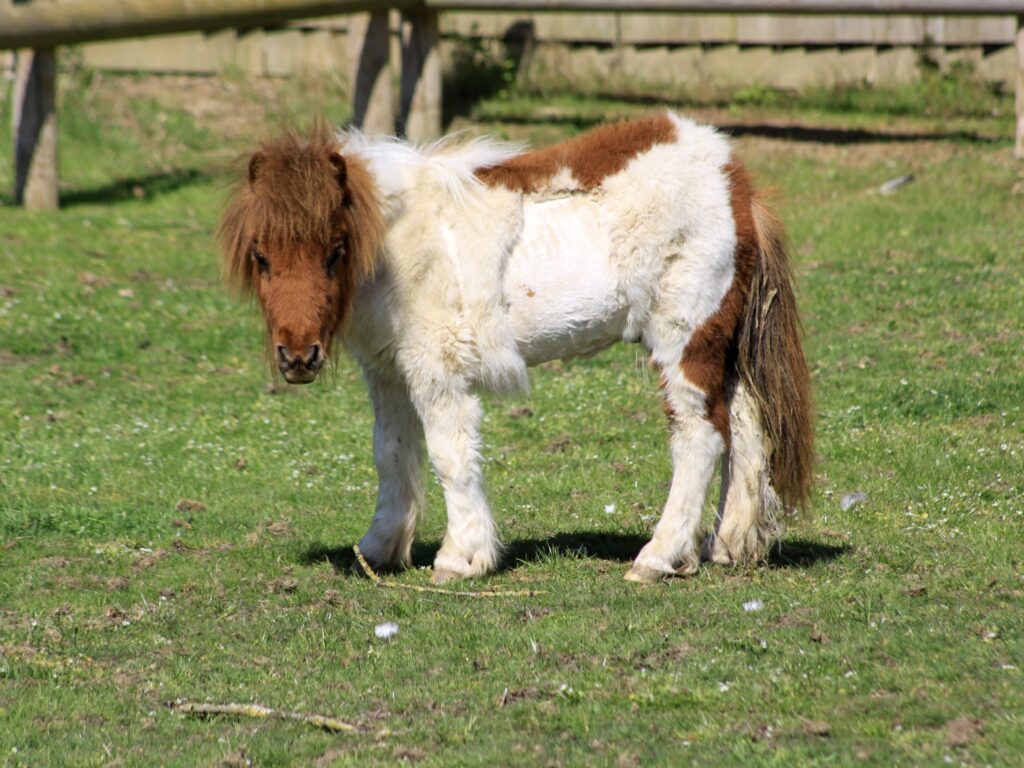
L-R: Miriam & Remus before their rescue
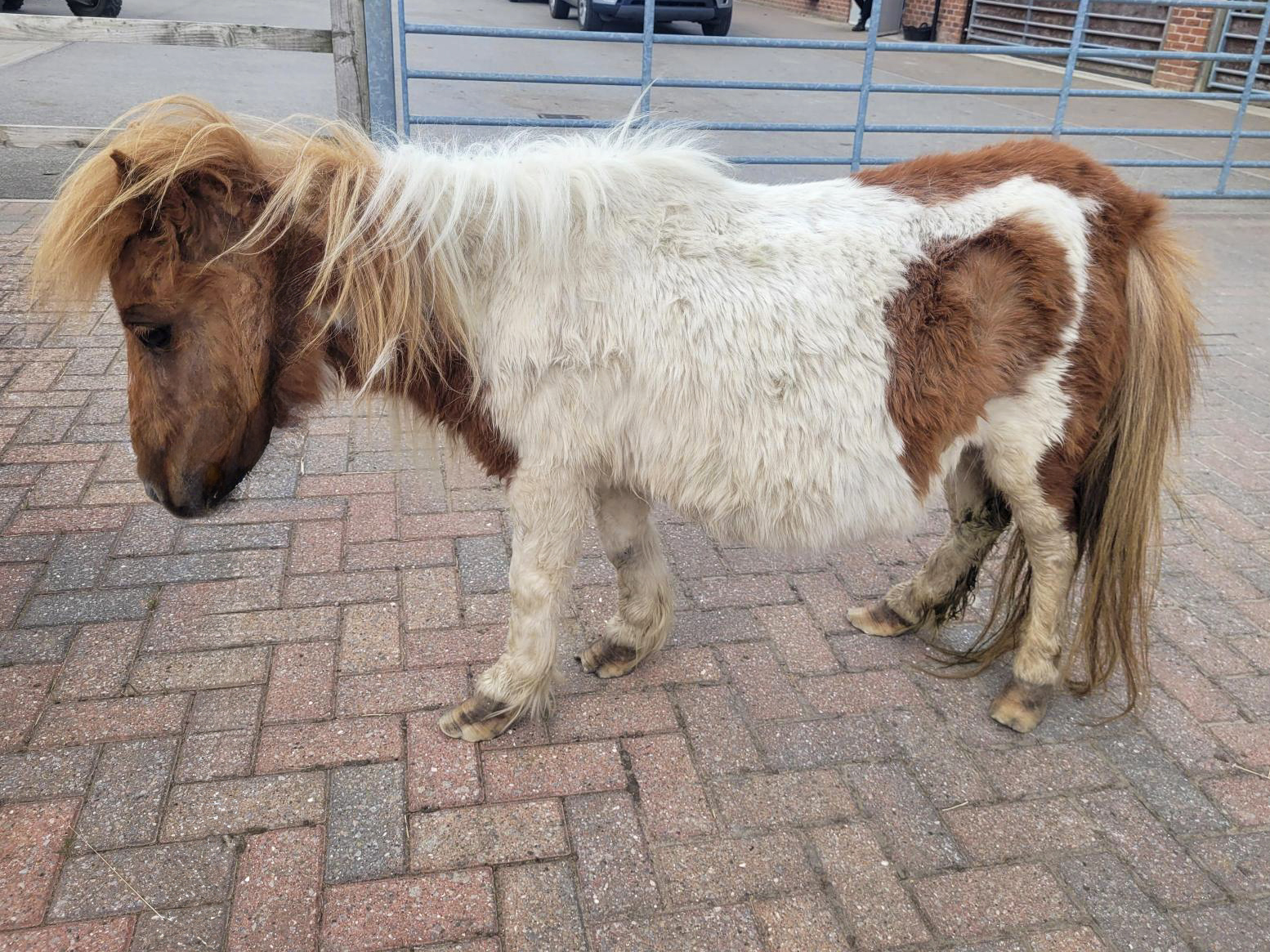
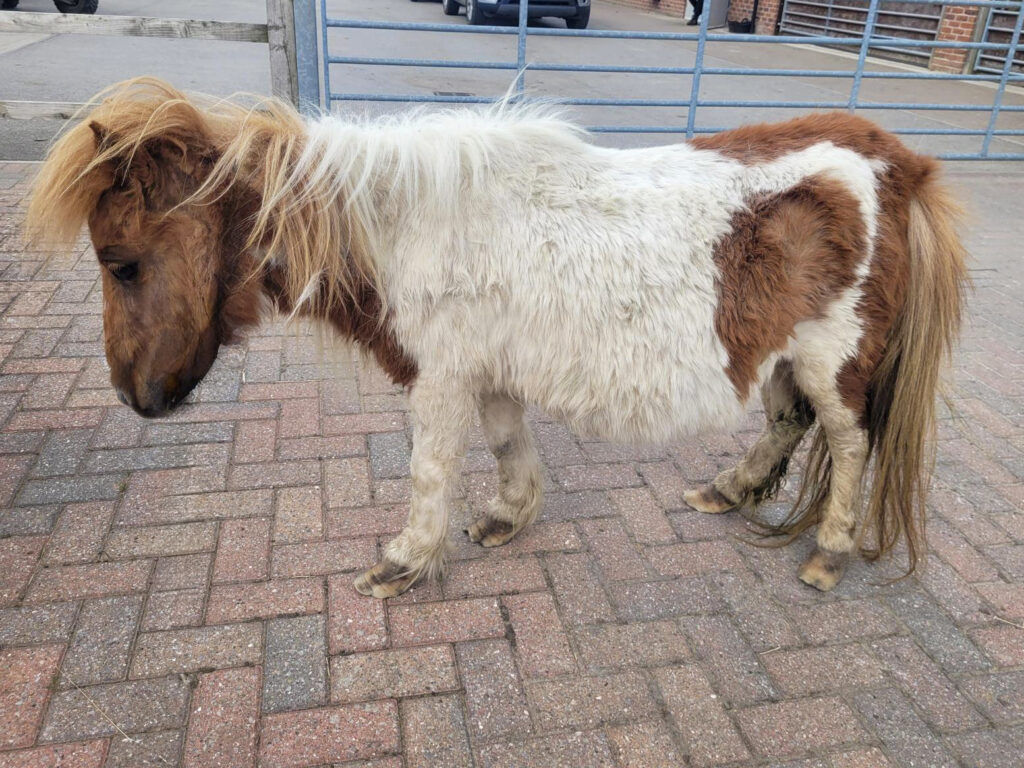
Miriam on arrival at the ARC
L-R: Miriam & Remus before their rescue
Miriam on arrival at the ARC
A Life Saving Referral
After mare and foal were transported to Bransby Horses, now safely under our care, the veterinary team could see the extent of the neglect and were immediately concerned for their health. Both Miriam and Remus had body condition scores of 0.5, overgrown feet, a lice infestation, a high worm burden and poor skin. On top of all that, Miriam was also heavily pregnant.
Just two days after their arrival, Veterinary Surgeon Emma Tune was very concerned about their health and made the decision to send them both to Oakham Veterinary Hospital as an emergency referral. This decision was a lifesaving one, with Miriam giving birth less than 24 hours later.
A Complex New Arrival
*Credit to Oakham Veterinary Hospital
*Credit to Oakham Veterinary Hospital
*Credit to Oakham Veterinary Hospital
*Credit to Oakham Veterinary Hospital
*Credit to Oakham Veterinary Hospital
*Credit to Oakham Veterinary Hospital
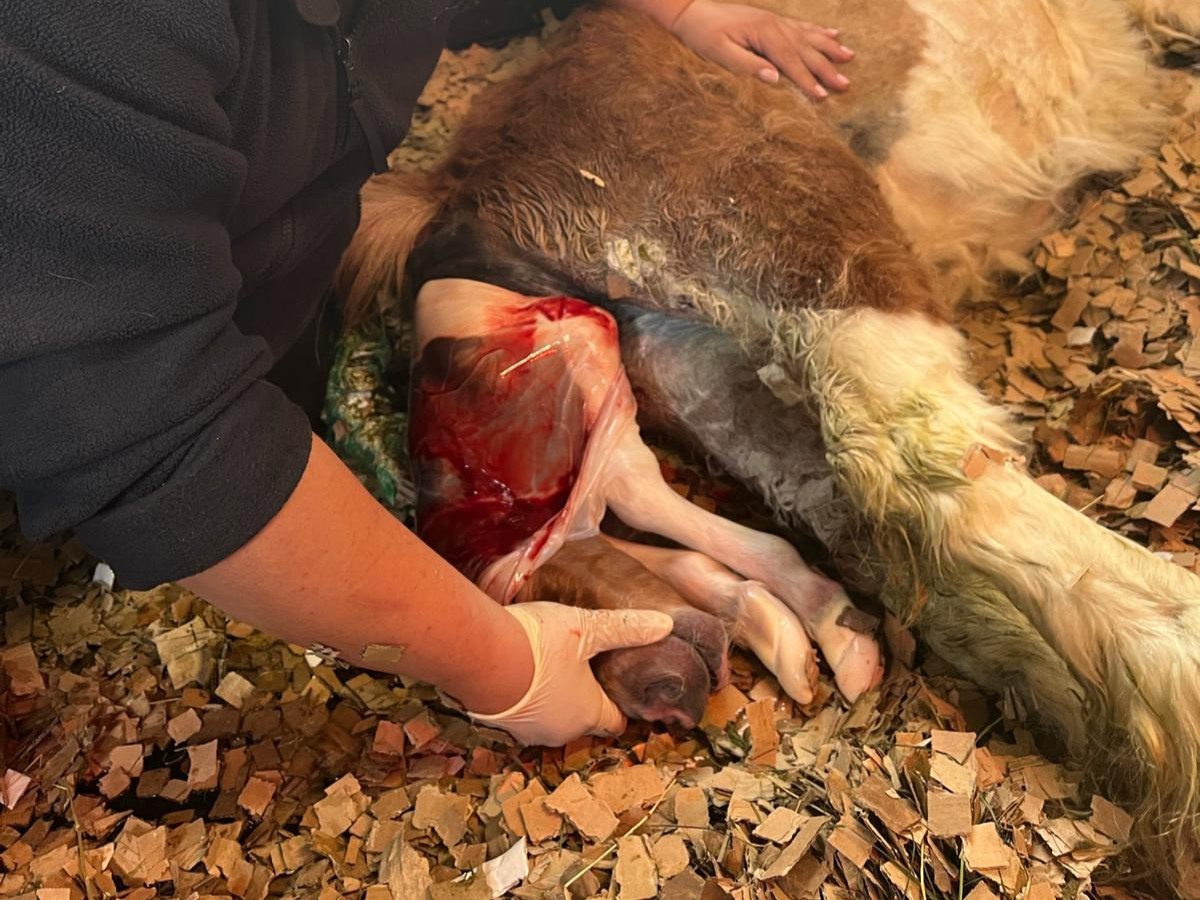
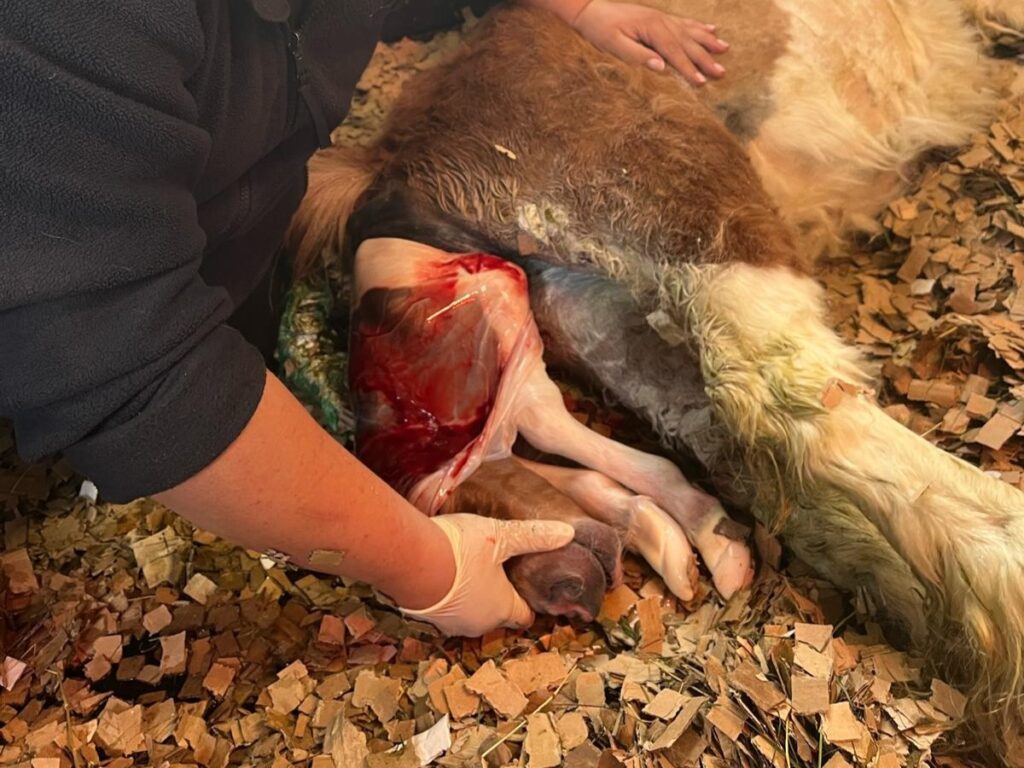
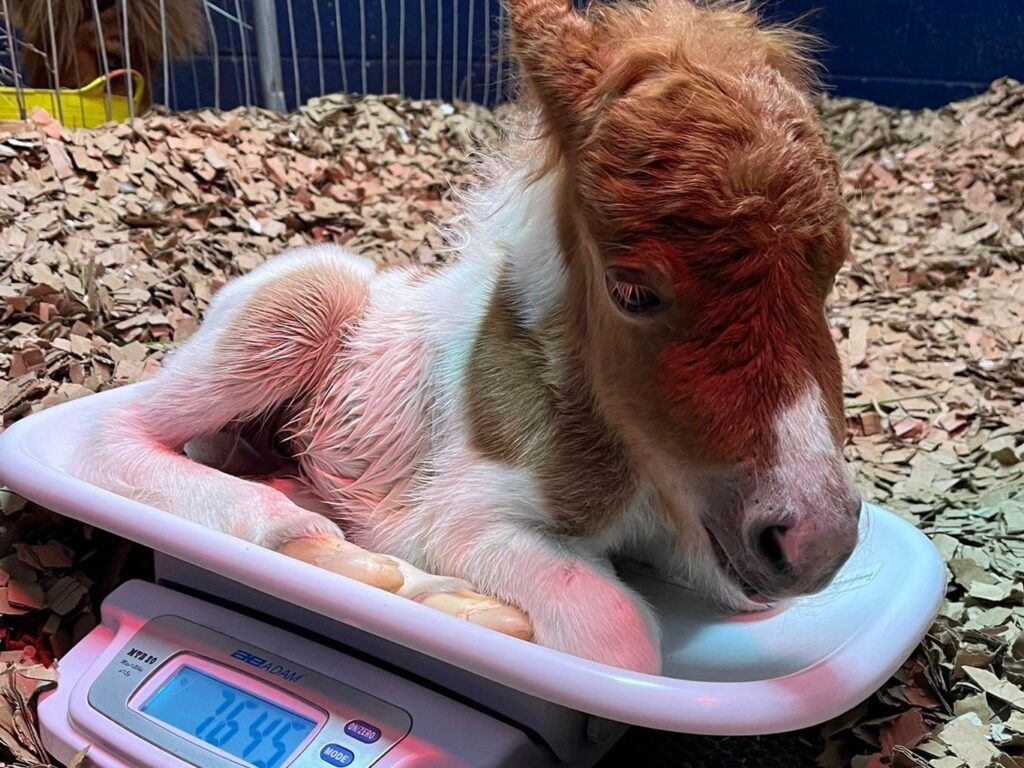
Tonks was born via a red bag delivery, where the placenta separates before the foal is born and the foal is starved of oxygen during delivery. Without the immediate veterinary assistance of the team at Oakham, both mare and foal wouldn’t have made it.
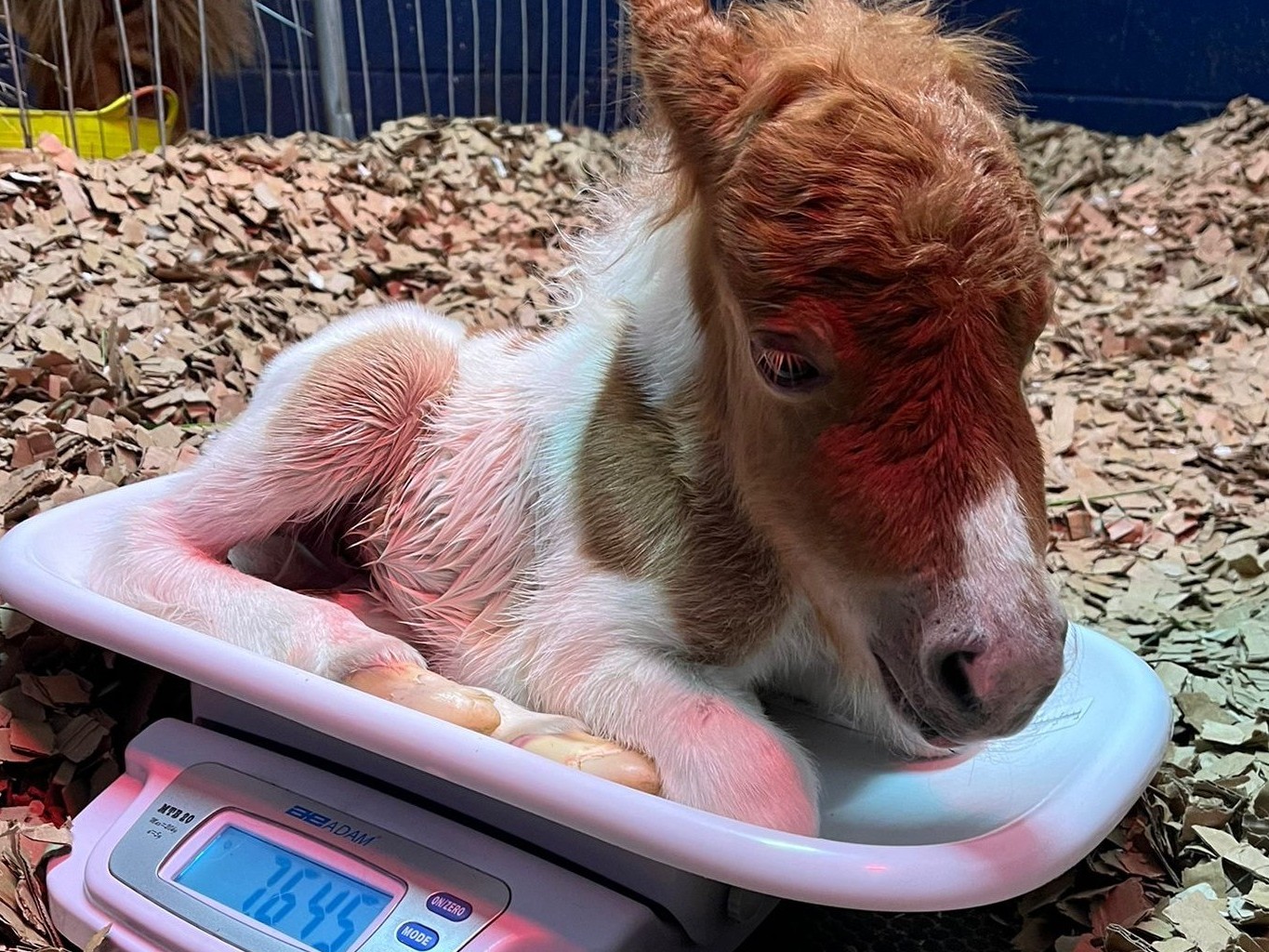
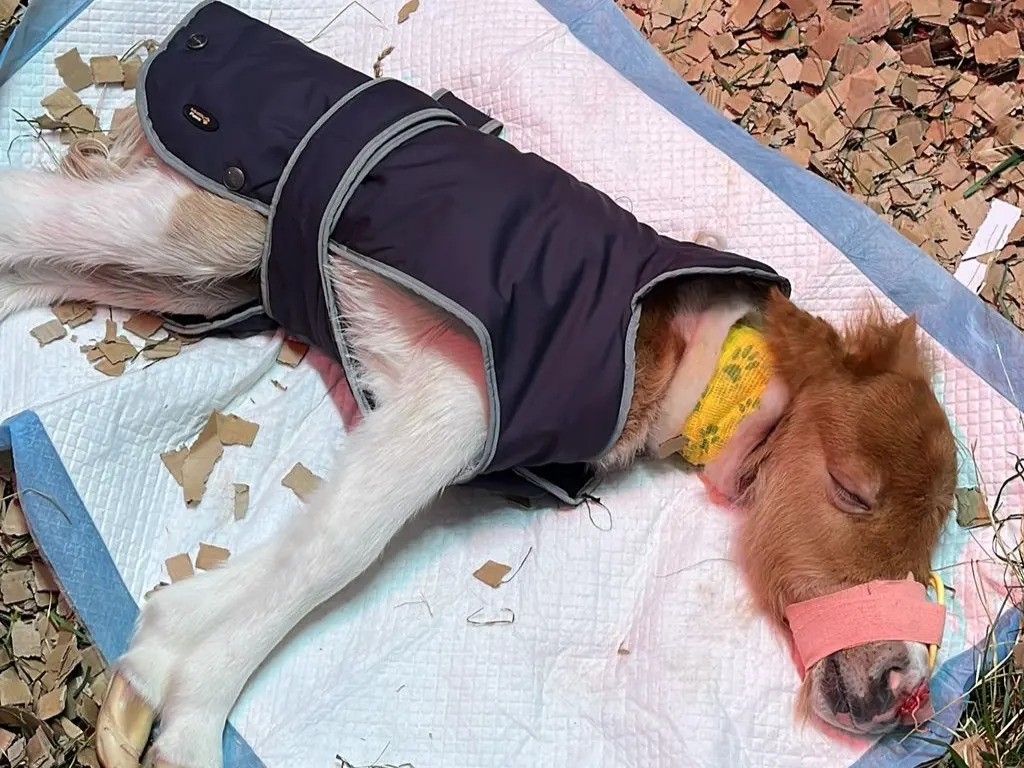
Tonks weighed only 7.6kg at birth, the average weight of a Jack Russell, and was immediately diagnosed with ‘dummy foal’ syndrome as she struggled to stand, nurse and respond normally to her surroundings. She was fed through a feeding tube while being taught how to drink from a bowl, with Miriam producing very little milk due to her emaciated condition and poor health.
Tonks also struggled when it came to walking, hindering the natural removal of her foal slippers (rubbery capsules that completely cover the hooves of the newborn and are worn down as the foal begins to walk).
While Tonks’ start in life wasn’t the smoothest journey, both her and Miriam were surrounded by an expert team at Oakham Veterinary Hospital, attending to their every need around the clock and ensuring they received the best possible care.
Remus’ Journey
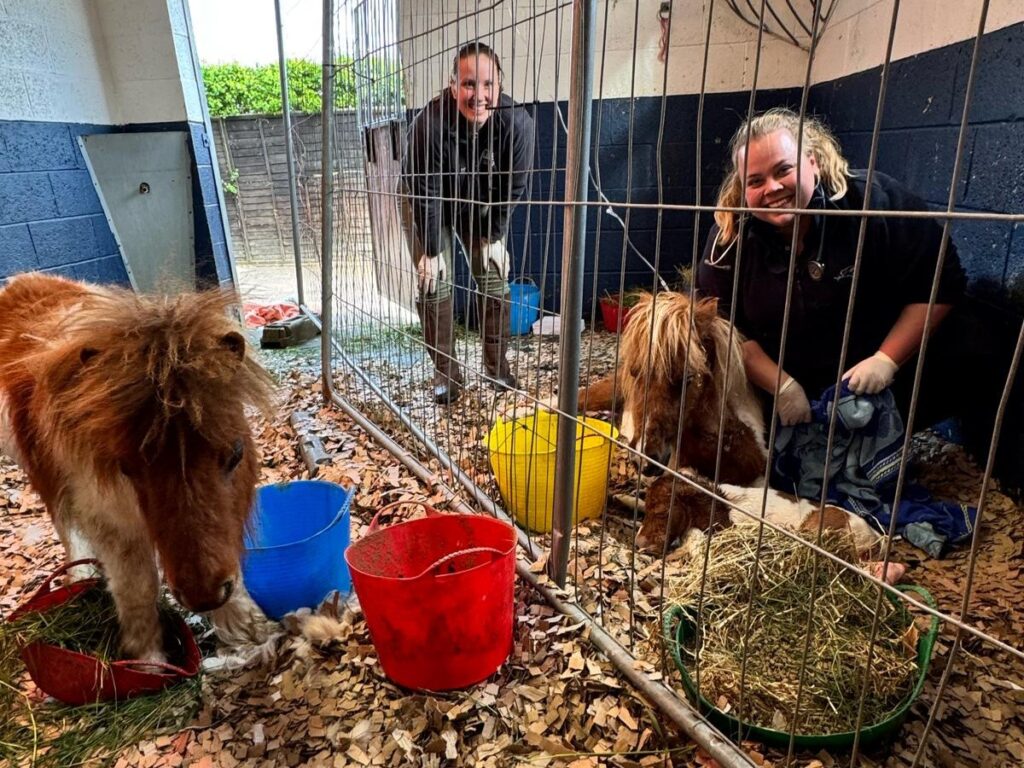
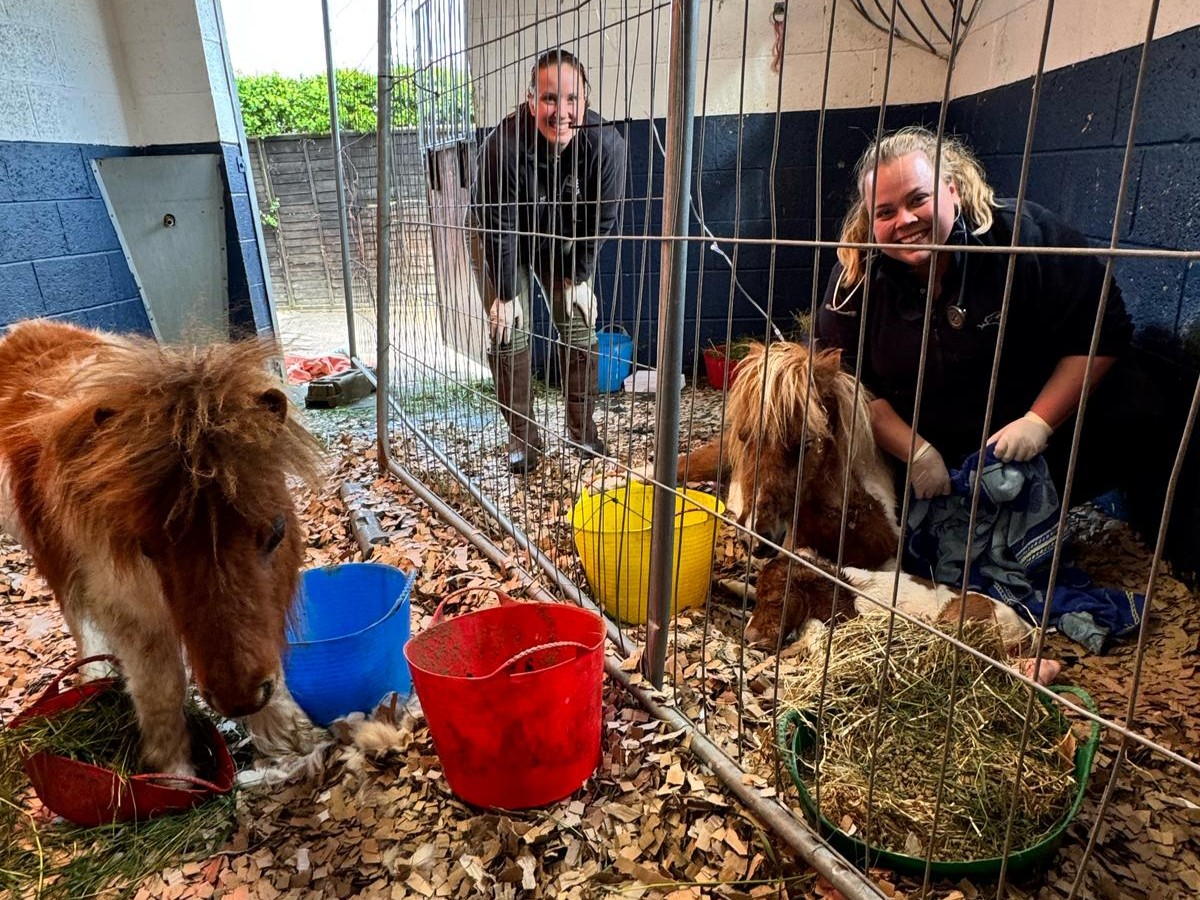
L-R: Remus & Miriam and baby Tonks
Remus back at Bransby Horses
L-R: Remus, Miriam and baby Tonks
Remus back at Bransby Horses
Meanwhile, Remus was experiencing a journey of his own. Tonks’ arrival forced the separation of him and his mum, to stop Miriam from feeding two foals whilst struggling to look after herself. The team had no choice but to place a barrier between mother and son, preventing Remus from going through the gradual weaning process.
While in the same stable, with temporary fencing between them, both Remus and Miriam would only eat if food was placed along the fence line so they could be as close as possible. But Remus’s health was still a concern and with the hospital not having any suitable grass turnout for him, the constant stabling caused issues with his breathing. The decision was made to bring him back to Bransby Horses earlier than planned.
Remus was placed on steroids for two weeks to help with his breathing and given a feeding plan to increase his weight. His health was still a major concern, and he was being monitored closely upon his return. Remus has been through so much for such a young pony and we can only hope he continues to improve under the care of our amazing equine team.
Ongoing Recovery and Lasting Consequences
Miriam & Tonks back at Branbsy
Tonks greeting a visitor
Miriam & Tonks at Bransby Horses
Tonks greeting a visitor
Tonks and Miriam also returned to Bransby a few days later, with Tonks soon up and running circles around her mum. But their return from hospital doesn’t mean their recovery is over, Tonks will need ongoing farrier care to support her tendons and help her legs grow in strength, while Miriam is still suffering from a high worm burden which will possibly cause long term damage to her colon.
All three Shetlands will carry the consequences of neglect for the rest of their lives, and while they are slowly showing signs of improvement, there’s still a long way to go.
Their stay in hospital cost the charity £9,000, and that is only the beginning. Members of the team have been working around the clock to provide these equines with the care they need, leading to unplanned but necessary time off and less staff available on the yards. Their future veterinary treatments, dental checks, farrier visits and general care will also have a financial impact on Bransby Horses.
Tonks is the second tiny Shetland pony foal we’ve had born into our care over two years, with Pika born back in 2024. Breeding ponies smaller and smaller to achieve the ‘cute factor’ only leads to more health complications and costly veterinary treatments, vastly affecting an equine’s quality of life. Miniature horses are more susceptible to limb deformities, dental issues, lameness and obesity, and the smaller they are the more likely these problems will occur.
It’s only thanks to our wonderful supporters that we can provide equines like Miriam, Tonks, and Remus with the care and support they need to live as best of a life as possible. It’s likely that due to their complex medical needs, all three will remain on site for a long time.
Their vet bill cost over £9000.
and that is only the beginning.
The ongoing care these three equines will need is extensive, including future veterinary treatments, farrier visits, dental appointments, feed, bedding, and any other specialist care they may need due to the poor condition they arrived in.
Providing equines like Miriam, Remus and Tonks with a future is only made possible due to the kind donations from our supporters. Please consider making a donation today.
The ongoing care these three equines will need is extensive.
Providing equines like Miriam, Remus and Tonks with a future is only made possible due to the kind donations from our supporters. Please consider making a donation today.