
- Home
- It’s important what you feed us
Hi friends!
I know it’s fun to give treats and grass to us, but my friends are on a special diet to keep them healthy and happy. Some ponies like me can get poorly from eating the wrong things — conditions like Laminitis and EMS can be very serious, even life-threatening.
I’m so glad you’re here to learn how to keep me and my friends safe and healthy. On this page, we’ll explore some really important things about horsey diets — and why feeding us, even with good intentions, can sometimes make us poorly.
Here’s what we’ll talk about:
Why Special Diets Matter
What Is Laminitis and EMS?
Hidden Dangers in Treats and Grass
How You Can Help Us Stay Healthy
What Is Laminitis?
Laminitis is a big word, but don’t worry — I’ll help you understand it!
Imagine if your feet suddenly hurt a lot and it was hard to walk or run. That’s what happens to horses and ponies when they get laminitis. It’s a painful problem in our hooves (that’s what we call our feet), and it can make us feel really poorly.
Sometimes, laminitis happens when we eat too much sugary grass or treats that aren’t good for us. Our bodies can’t handle all that sugar, and it makes our hooves sore and swollen. Ouch!
That’s why it’s super important not to feed us, even if you think it’s just a little snack. Some of us are on special diets to stop laminitis from happening — and your help makes a big difference!
What Is EMS?
EMS stands for Equine Metabolic Syndrome — another big name, but let’s break it down together!
Some ponies and horses, just like some people, have trouble with how their bodies use sugar. When we have EMS, our bodies hold on to too much sugar, even from things like grass! That can make us gain too much weight and feel tired or poorly.
And guess what? EMS can also lead to laminitis, which makes our hooves hurt — so it’s really important we stick to our special diets.
Even though we might look hungry or give you big, cute eyes, feeding us treats or grass can make our EMS worse. That’s why your help is so important — just by not feeding us, you’re helping us stay happy and healthy!
What Is Body Condition Scoring?
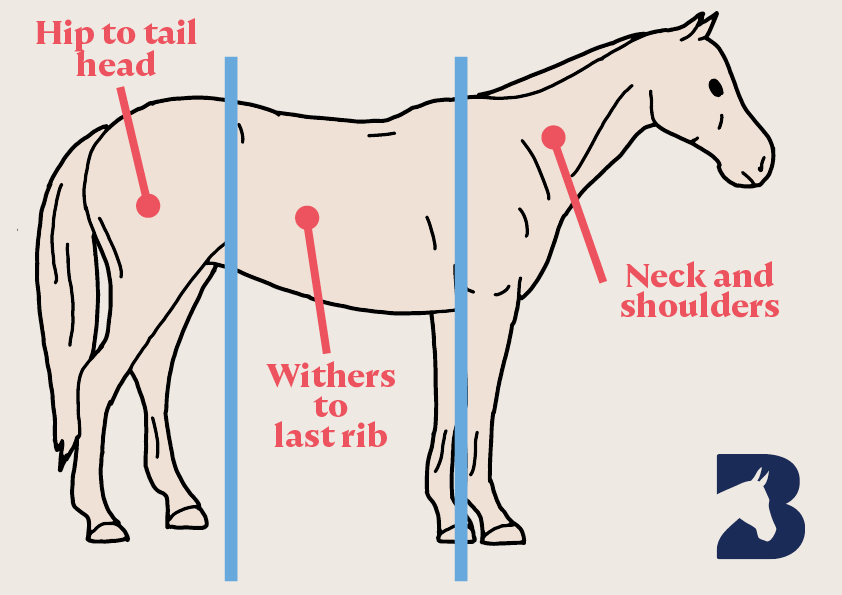
Let’s talk about something super important for keeping horses healthy, it’s called Body Condition Scoring (but you can also call it fat scoring!). It’s a way for the people who look after us to check if we’re too skinny, too chubby, or just right, kind of like Goldilocks and the Three Bears!
At Bransby Horses, our carers use a special chart with scores from 0 to 5 to help figure out how healthy we are. They look at three key areas on our bodies, our neck, middle, and bottom, to see how much fat we have.
Why does this matter? Well, if we’re too fat, we can get poorly with things like Laminitis or EMS. And if we’re too thin, we might not have enough energy to play, walk, or stay warm.
So next time you see someone checking a horse’s body score, you’ll know they’re helping us stay safe and strong!
Click here to see the chart and learn how to be a Body Score Superhero!
Poisonous Plants? Uh-oh!
Did you know that some plants can be very dangerous for horses like me?
Even though they might look pretty or smell nice, certain plants are actually poisonous to us. That means if we eat them, they can make us feel really sick and sometimes even worse!
That’s why it’s super important for the grown-ups who look after us to check our fields and paddocks carefully. They need to spot these nasty plants and take them away so we don’t accidentally munch on them.
Ragwort
St John’s Wort
Foxglove
Deadly Nightshade
Laburnum Tree
Yew Trees
Pudding's Picnic Panic
Pudding is back with another thrilling adventure. A cheerful family on a carefree picnic meet Pudding in a mischievous mood…what could possibly go wrong? Will Pudding be strong enough to recover from the trickiest of picnics?
Enjoy this latest fictional 36-page story with an important educational message, inspired by real-life events.